5 Days Hawaii Island Hopping: Oahu & Maui
Experience the best of Hawaii in five days with this two-island itinerary covering Oahu's historic Pearl Harbor and Waikiki Beach, plus Maui's Road to Hana, Haleakala sunrise, and world-class snorkeling.
Hawaii is America's tropical paradise, and the two most popular islands, Oahu and Maui, offer a perfect contrast. Oahu combines urban Honolulu energy with historic Pearl Harbor and legendary surf beaches, while Maui delivers dramatic volcanic landscapes, the famous Road to Hana, and some of the best snorkeling in the Pacific. In five days, you can experience the highlights of both islands with a quick inter-island flight connecting them.
Day 1: Arrive in Oahu - Waikiki & Diamond Head
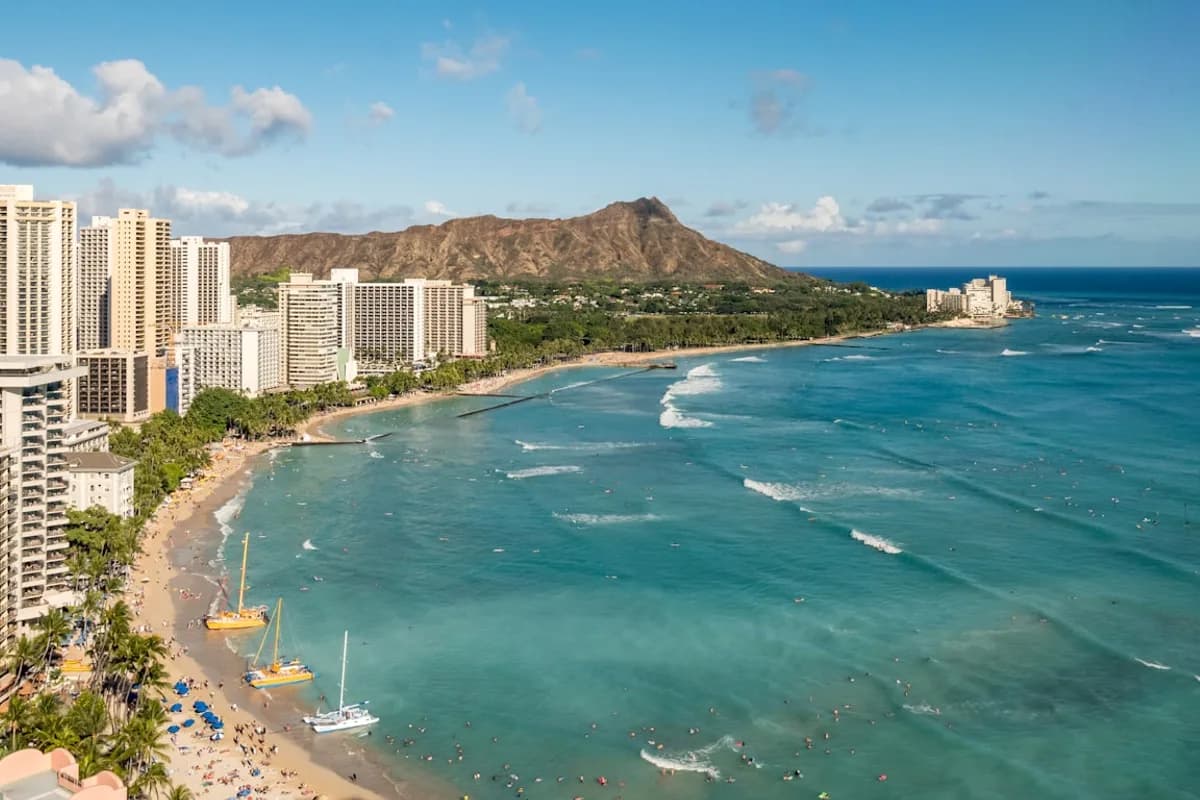
Morning: Arrive at Daniel K. Inouye International Airport in Honolulu and transfer to your hotel in Waikiki. Even budget hotels in Waikiki put you within walking distance of the famous beach. Drop your bags and head straight to Waikiki Beach. The crescent of sand backed by hotels and framed by Diamond Head crater is iconic for a reason. The water is warm, calm, and perfect for a first swim. Rent a surfboard or take a beginner surf lesson right on the beach. Waikiki's gentle waves are where surfing legends like Duke Kahanamoku introduced the sport to the world.
Afternoon: Hike Diamond Head (Le'ahi), the extinct volcanic crater that defines the Waikiki skyline. The trail is 1.6 miles roundtrip with about 560 feet of elevation gain, including steep stairs and a tunnel. The summit offers 360-degree views of Waikiki, Honolulu, and the sparkling Pacific Ocean. The hike takes about 90 minutes roundtrip. Reservations are required ($5 per person, book at gostateparks.hawaii.gov) and the earlier slots are cooler and less crowded.
Evening: Walk along Kalakaua Avenue, Waikiki's main strip, for shopping and dining. Have dinner at Duke's Waikiki, a beachfront restaurant named after Duke Kahanamoku with live Hawaiian music and hula performances at sunset. For something more local, head to Marukame Udon, where fresh udon noodles are hand-made in front of you and a bowl starts at $5. The line wraps around the block but moves fast.
Where to eat: Duke's Waikiki (Hawaiian, $20-35), Marukame Udon (Japanese, $5-10), or Side Street Inn (local-style pupu platters, $15-25).
Budget tip: Waikiki Beach is free. Diamond Head reservations are $5 per person plus $10 per vehicle for parking. Parking in Waikiki is expensive ($25-40 per day), so use the bus (TheBus, $3 per ride) or walk.
Day 2: Pearl Harbor & North Shore
Dedicate today to history and the legendary surf beaches of Oahu's North Shore.
Morning: Visit the Pearl Harbor National Memorial, the most visited attraction in Hawaii and one of the most important historical sites in the US. The USS Arizona Memorial, built over the sunken battleship where 1,177 sailors died on December 7, 1941, is a deeply moving experience. The visit includes a documentary film and a boat ride to the memorial, where you can see the ship below the water and oil still leaking from its hull after more than 80 years.
Free timed-entry tickets for the USS Arizona Memorial must be reserved at recreation.gov and go fast. Book as early as possible, at least 60 days ahead. Additional paid attractions at Pearl Harbor include the USS Missouri battleship (where Japan's surrender was signed), the USS Bowfin submarine, and the Pearl Harbor Aviation Museum.
Afternoon: Drive to the North Shore, about an hour from Pearl Harbor. In winter (November-February), the North Shore produces some of the largest waves in the world and hosts professional surf competitions at Pipeline, Sunset Beach, and Waimea Bay. Even if you are not a surfer, watching 30-foot waves crash on the reef from the beach is mesmerizing. In summer, the same beaches are calm and perfect for swimming and snorkeling.
Stop in the surf town of Haleiwa for lunch and shopping. The town has a laid-back, bohemian vibe with surf shops, shave ice stands, and food trucks. Matsumoto Shave Ice has been serving since 1951 and the rainbow shave ice is the quintessential Hawaiian treat.
Evening: If it is a Friday, head to the Hilton Hawaiian Village for their weekly fireworks show over Waikiki Beach at 7:45 PM, visible from the beach for free. Otherwise, have dinner in Chinatown Honolulu, which has transformed into a hip dining and bar district. Livestock Tavern serves inventive American fare, or The Pig and the Lady offers Vietnamese-Hawaiian fusion.
Where to eat: Matsumoto Shave Ice on the North Shore ($4-6), Giovanni's Shrimp Truck in Kahuku (garlic shrimp plate, $14), or The Pig and the Lady in Chinatown ($20-35).
Budget tip: The Pearl Harbor Visitor Center, museum exhibits, and the USS Arizona Memorial program are free. Only the additional sites (Missouri, Bowfin, Aviation Museum) charge admission. A combo ticket for all is about $72 and worth it if you are a history enthusiast.
Day 3: Fly to Maui - West Maui Beaches
Morning: Take an early inter-island flight from Honolulu to Kahului, Maui. Flights with Hawaiian Airlines or Southwest take about 35 minutes and cost $50-120 each way. Pick up a rental car at Kahului Airport, which is essential for exploring Maui since public transit is limited.
Drive west to Ka'anapali Beach, consistently rated one of the best beaches in America. The golden sand stretches for three miles and the snorkeling at Black Rock (Pu'u Keka'a) at the north end is excellent, with sea turtles, tropical fish, and occasionally spinner dolphins visible from shore. The cliff jumping spot at Black Rock is a local tradition, including a nightly torch-lighting and cliff-diving ceremony at the Sheraton.
Afternoon: Continue south to the historic town of Lahaina, a former whaling capital and one of the most charming towns in Hawaii. Front Street was damaged in the 2023 wildfire, but the town is rebuilding and visitors are encouraged to return to support the community. Check current conditions before visiting.
Drive to Kapalua Bay, a sheltered crescent beach with calm water that is ideal for snorkeling. The Dragon's Teeth rock formations at Makaluapuna Point nearby are a striking geological feature worth the short walk.
Evening: Watch sunset from the beach. West Maui sunsets over the island of Lanai are spectacular. Have dinner at Merriman's Kapalua (farm-to-table Hawaiian regional cuisine on a cliffside patio) or Monkeypod Kitchen for craft cocktails and Pacific Rim comfort food.
Where to eat: Merriman's Kapalua (Hawaiian regional, $35-55), Monkeypod Kitchen (Pacific Rim, $20-35), or Star Noodle (Asian noodles and shared plates, $15-25).
Budget tip: All beaches in Hawaii are public by law, even those fronting luxury resorts. Park at the public access points marked along the highway and enjoy the same sand as resort guests.
Day 4: Road to Hana
The Road to Hana is one of the most famous drives in the world: 64 miles of winding road with 620 curves, 59 bridges (most single-lane), and an overwhelming number of waterfalls, rainforest trails, and ocean viewpoints.
Morning: Depart your hotel by 7 AM at the latest. The road starts in the town of Paia, a bohemian surf town worth a quick stop. Pick up breakfast and lunch at Paia Bay Coffee or Mama's Fish House if you want to splurge on the island's most famous restaurant.
The first major stop is Twin Falls (Mile Marker 2), a short walk through bamboo forest to a waterfall pool. Continue to the Garden of Eden Arboretum (Mile Marker 10.5, $18), a manicured botanical garden with panoramic ocean views and the filming location for Jurassic Park. Ke'anae Peninsula (Mile Marker 17) is a lava rock peninsula jutting into the ocean with crashing waves and a picturesque taro-farming community.
Afternoon: Continue to Wai'anapanapa State Park (Mile Marker 32), home to a striking black sand beach, sea caves, and a coastal trail. Reservations and parking permits are required ($5 per person, $10 per car). The black sand against the turquoise water and green vegetation is extraordinarily photogenic.
Arrive in the town of Hana, which feels like stepping back in time. Hasegawa General Store stocks everything a remote community needs. Continue past Hana to the Pools of 'Ohe'o (Seven Sacred Pools) in the Kipahulu District of Haleakala National Park. The cascading pools connected by waterfalls flow to the ocean. The Pipiwai Trail (4 miles roundtrip) from the pools leads through a towering bamboo forest to 400-foot Waimoku Falls, one of the tallest waterfalls on Maui.
Evening: Return to your hotel via the same road (the southern route past Hana is unpaved and most rental car companies prohibit it). The drive back takes 2.5-3 hours. Have a late, casual dinner or pick up food in Paia on your way through.
Where to eat: Paia Fish Market (fish tacos and plates, $15-20), Coconut Glen's (vegan coconut ice cream from a roadside stand, $7), or Braddah Hutt BBQ in Hana (plate lunches, $12-18).
Budget tip: Pack a cooler with food and drinks for the Road to Hana. There are very few food options along the route and they close early. Bring water, sunscreen, swimsuits, and towels for waterfall pools.
Day 5: Haleakala Sunrise & Departure
End your Hawaii trip with one of the most spectacular natural experiences in the world: sunrise from the summit of Haleakala volcano.
Morning: Wake at 3 AM (yes, really) and drive to the summit of Haleakala, a 10,023-foot dormant volcano. The drive from sea level to the summit takes about 90 minutes. Sunrise reservations are required ($1 per vehicle, book at recreation.gov up to 60 days in advance, they sell out fast). The temperature at the summit can be 30 degrees colder than at the coast, so bring warm layers, a hat, and gloves.
Watching the sun rise above a sea of clouds from the crater rim is a transcendent experience. The crater itself is 7.5 miles long, 2.5 miles wide, and 3,000 feet deep, with cinder cones rising from the volcanic floor in shades of red, orange, and gray. Mark Twain called it the sublimest spectacle he ever witnessed.
After sunrise, hike the Sliding Sands Trail (Keoneheehee) into the crater. Even descending just one mile into the crater gives you a sense of the alien, Mars-like landscape. Remember that every step down means a step back up at 10,000 feet elevation.
Afternoon: Drive back down the mountain and stop at Kula, the upcountry agricultural area known for farms, lavender fields, and cool mountain air. Ali'i Kula Lavender Farm offers tours and tastings. Have brunch at Kula Lodge, which has panoramic views from upcountry down to the ocean.
Head to the airport for your departure flight. If you have time, stop at the beach one last time at Kanaha Beach Park near the airport for a final swim and to watch the windsurfers.
Where to eat: Kula Lodge (American brunch, $15-25), Grandma's Coffee House in Keokea (homegrown Maui coffee and pastries, $5-10), or Tin Roof by chef Sheldon Simeon (local-style plate lunches, $12-18).
Budget tip: The Haleakala sunrise reservation is only $1 but the national park entry fee is $30 per vehicle (or use your America the Beautiful pass). The experience is priceless. Alternatively, sunset at Haleakala is equally beautiful and does not require the extreme early wake-up.
Practical Information
Inter-island flights: Hawaiian Airlines and Southwest fly between Honolulu and Kahului multiple times daily. Book in advance for the best fares. Flights are short (35 minutes) and the views from the plane are stunning, so request a window seat.
Rental car: Essential on Maui, optional on Oahu (but helpful for the North Shore). Book well in advance, especially for Maui, as demand often exceeds supply and prices spike.
Where to stay: Waikiki on Oahu for the first two nights. On Maui, Ka'anapali or Kihei offer the most options. Kihei is more affordable and centrally located for both the Road to Hana and Haleakala.
Best time to visit: Hawaii has pleasant weather year-round. December through March is whale-watching season (humpback whales migrate to Maui's waters). April through May and September through November offer the best combination of good weather and lower prices. Summer and winter holidays are peak season.
Respect the culture: Hawaii has a deep and rich indigenous culture. Learn a few Hawaiian words (aloha means hello, goodbye, and love; mahalo means thank you). Remove shoes before entering homes. Do not stack rocks (rock cairns) on trails or beaches as they can disturb native habitat and have cultural significance.
Ocean safety: Respect the ocean. Check conditions before swimming or snorkeling. Rip currents, shore break, and coral can be hazardous. Never turn your back on the ocean, especially on the North Shore in winter. Reef-safe sunscreen is required by law.
Where to Stay in Honolulu
Find the best hotels, hostels, and vacation rentals
* Affiliate link. We may earn a commission at no extra cost to you.
Top Activities in Honolulu
Book tours and experiences from trusted partners
* Affiliate links. We may earn a commission. Disclosure
Related Itineraries
 3 Days
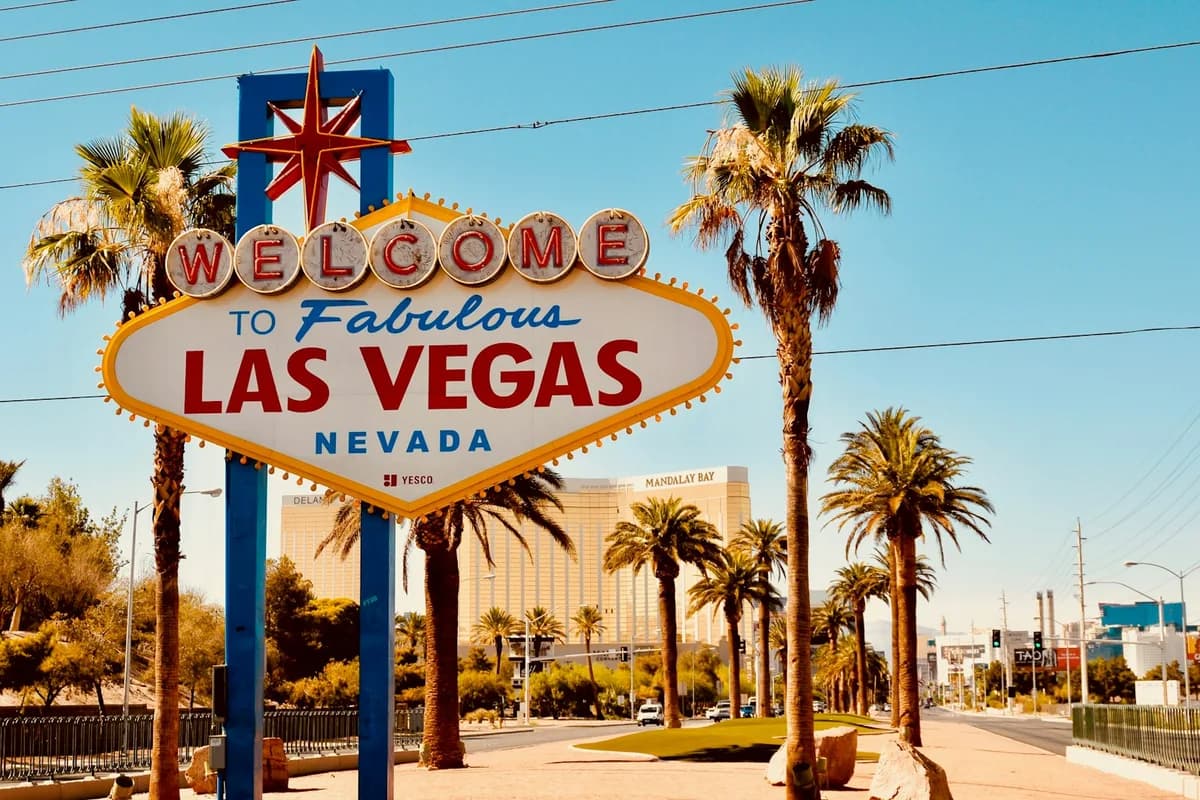
3 Days in Las Vegas: Beyond the Strip
Make the most of 72 hours in Las Vegas with this action-packed itinerary covering the Strip, downtown Fremont Street, and a day trip to the Grand Canyon or Red Rock Canyon.
 3 Days
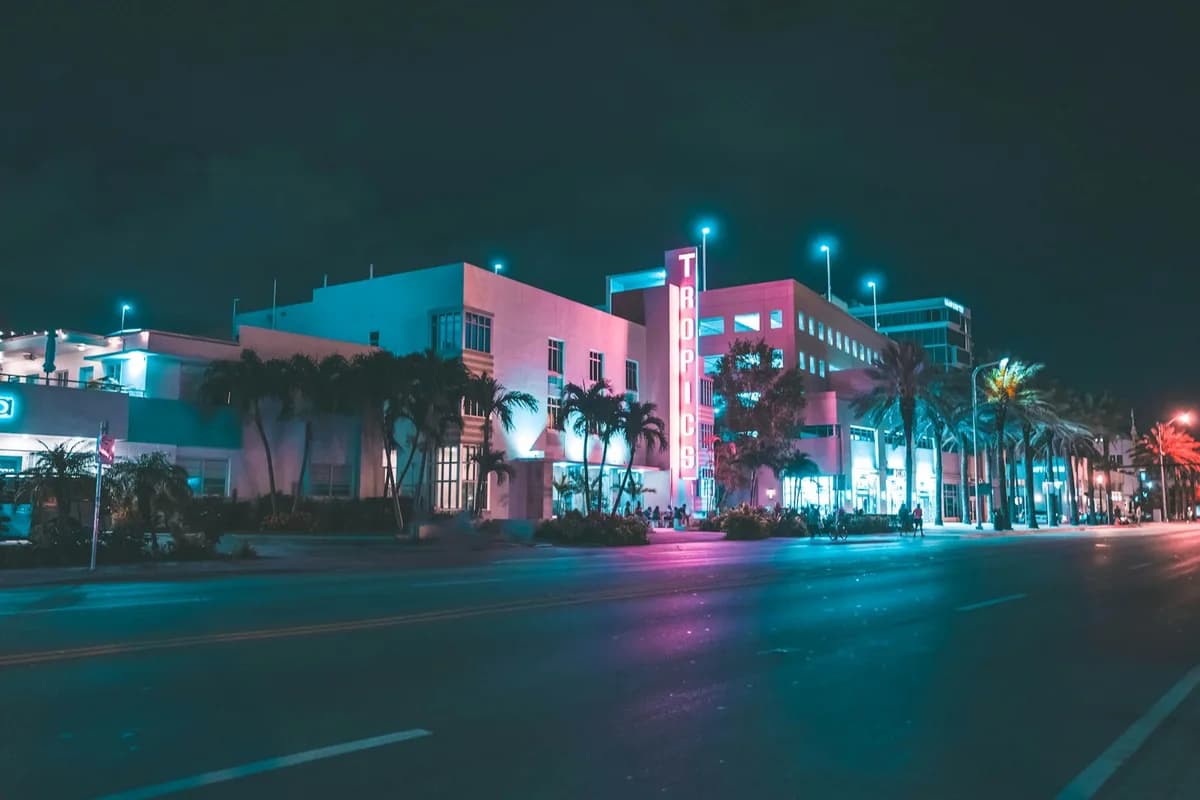
3 Days in Miami & the Florida Keys
Combine the vibrant energy of Miami with a road trip down the Overseas Highway to Key West in this tropical three-day itinerary.
 3 Days
3 Days in New Orleans: Jazz, Food & French Quarter Magic
Immerse yourself in the music, food, and culture of New Orleans with this three-day itinerary covering the French Quarter, Garden District, live jazz, and the best Creole and Cajun dining in America.
Plan Your USA Trip
Book hotels, transport, activities, and get connected with an eSIM
Some links are affiliate links. We may earn a commission at no extra cost to you.